
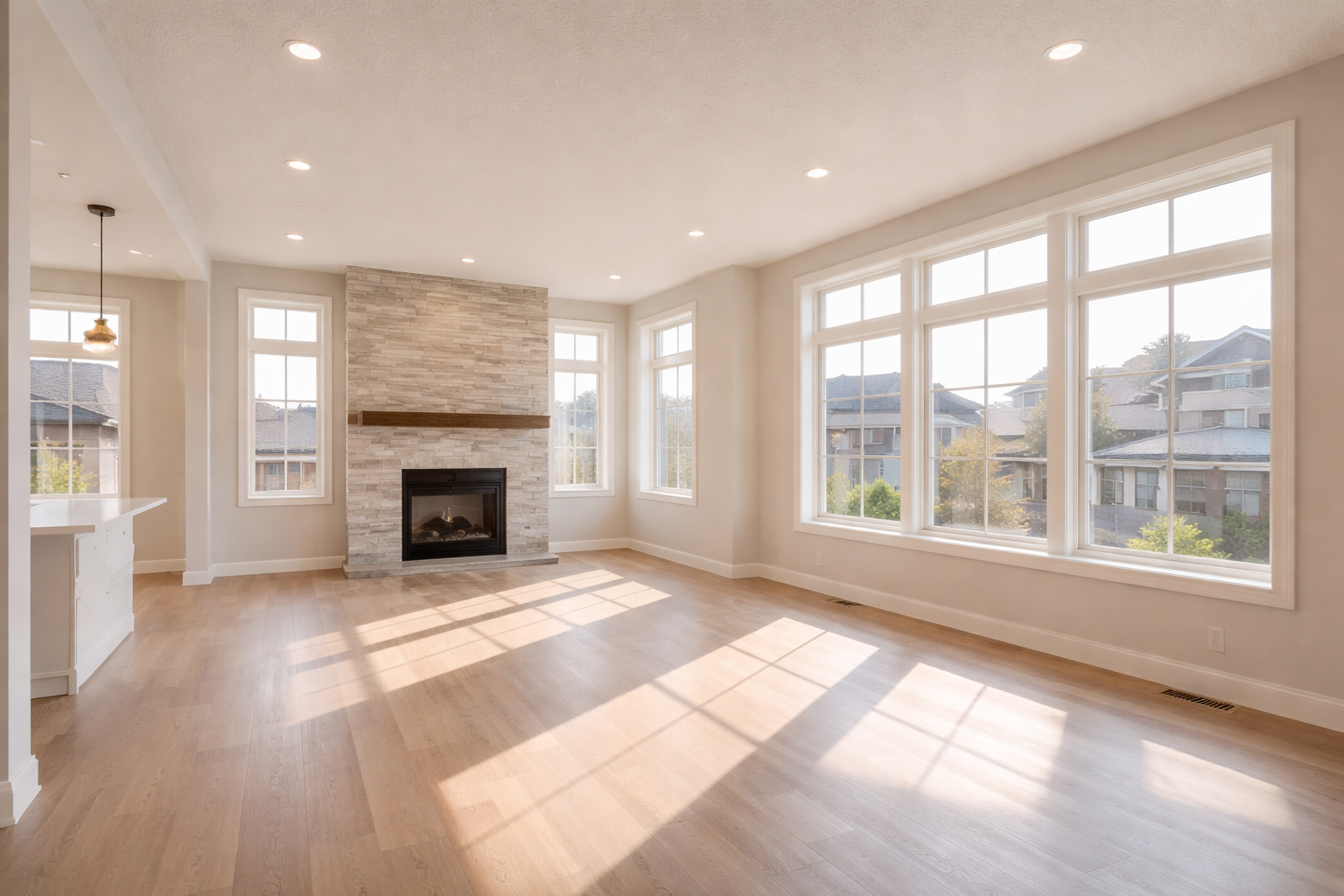
Selling a Vacant Home in Alberta: What Sellers Need to Know
Selling a vacant home in Alberta may sound easier than selling a lived-in property. No clutter, no scheduling conflicts, and buyers can view the house anytime.
But empty homes come with risks that many sellers don’t consider until problems start appearing.
From insurance issues to security concerns and buyer psychology, selling a vacant home in Alberta requires a different strategy than selling an occupied one.
Understanding these risks ahead of time can protect both your property and your final sale price.
Security Risks When Selling a Vacant Home in Alberta
One of the biggest concerns when selling a vacant home in Alberta is security.
An empty property quickly becomes obvious to people walking through the neighborhood. Lights never turn on, the driveway stays empty, and packages may accumulate.
Unfortunately, vacant homes can attract:
-
break-ins
-
vandalism
-
copper theft
-
squatters
Even minor incidents can create serious problems during a sale. Damage discovered during inspections can cause buyers to renegotiate … or walk away completely.
For sellers, basic precautions can help reduce these risks:
-
install smart lighting timers
-
arrange regular property checks
-
maintain snow removal and lawn care
-
keep mail and flyers cleared
A vacant home should still look lived-in from the outside.
Insurance Issues When Selling a Vacant Home in Alberta
Another overlooked issue when selling a vacant home in Alberta is insurance coverage.
Many standard homeowner insurance policies have restrictions once a property becomes vacant for an extended period. Some policies reduce coverage after 30 days of vacancy, while others may require special vacancy insurance.
If something happens (such as water damage, fire, or theft) and the insurer determines the property was vacant beyond policy limits, coverage could be reduced or denied.
Before listing an empty property, sellers should confirm with their insurance provider:
-
how long the home can remain vacant
-
whether vacancy coverage is required
-
what monitoring requirements exist
This is an easy step that can prevent major financial problems later.
Buyer Psychology When Selling a Vacant Home in Alberta
Empty homes can create unexpected psychological effects on buyers.
When buyers walk into a vacant property, they often notice every small imperfection because there is nothing else competing for attention.
Things like:
-
scuffed floors
-
small drywall cracks
-
worn cabinetry
-
aging fixtures
stand out far more in an empty space than they would in a furnished home.
Another factor is perception of urgency. Buyers sometimes assume vacant homes mean the seller is motivated or under pressure to sell.
That perception alone can influence how offers are written.
When selling a vacant home in Alberta, proper preparation and presentation become even more important.
Maintenance Problems Can Appear Quickly
Vacant homes also require careful monitoring because small issues can grow quickly.
Without someone living in the house, problems like these can go unnoticed:
-
leaking pipes
-
furnace failures
-
moisture buildup
-
pest activity
In Alberta’s climate, winter adds additional risk. Frozen pipes are one of the most common and costly issues in vacant homes.
Regular inspections of the property (either by the seller or a property manager) can help prevent these problems from escalating.
Showing Advantages When Selling a Vacant Home in Alberta
Despite the risks, there are also advantages to selling a vacant home in Alberta.
The biggest benefit is flexibility.
Vacant homes allow:
-
easier showing schedules
-
last-minute buyer visits
-
better access for inspectors and contractors
This flexibility can sometimes increase the number of buyers who view the property.
But the key is ensuring the home still feels inviting rather than abandoned.
Even small touches (such as partial staging or lighting adjustments) can dramatically improve how buyers experience an empty home.
Strategy Matters More Than Convenience
Selling a vacant home in Alberta isn’t automatically good or bad … it simply requires the right strategy.
Security precautions, insurance awareness, property maintenance, and presentation all play a role in protecting the home’s value while it’s on the market.
When handled correctly, vacant homes can sell quickly.
But when overlooked details create problems, deals can fall apart or prices can drop unexpectedly.
Planning ahead is what separates a smooth sale from a stressful one.
Have questions about selling a vacant home in Alberta or want a strategy for preparing your property before listing?
📞 Contact: https://steveszilagyi.ca/contact/
🗓️ Book a call: https://calendly.com/steveszilagyi
🏡 Home valuation: https://steveszilagyi.ca/home-valuation/
Disclaimer (tap to expand)
This article is for general information only. It is not legal, financial, tax, accounting, or real-estate advice, and it does not create a client-broker relationship. Laws, regulations, market conditions, and program eligibility change by jurisdiction and over time. You are responsible for verifying any facts or figures before acting. Always do your own research and consult licensed professionals in your area (lawyer, accountant, mortgage professional, and a locally licensed real-estate agent or broker).
No warranty is made as to completeness or accuracy, and no liability is accepted for any loss arising from reliance on this content or on third-party links. Any examples are illustrative only and are not guarantees of results. We support Equal Housing Opportunity / Fair Housing.
Licensing note (Canada & U.S.): Services are provided only where properly licensed and permitted. Readers outside our licensed jurisdictions should seek advice from a local, duly licensed real-estate professional.
Trademark notice: In Canada, MLS®, Multiple Listing Service®, REALTOR®, and related logos are trademarks owned by The Canadian Real Estate Association (CREA) and used with permission. In the United States, REALTOR® is a collective membership mark of the National Association of REALTORS®. All other trademarks are the property of their respective owners.